
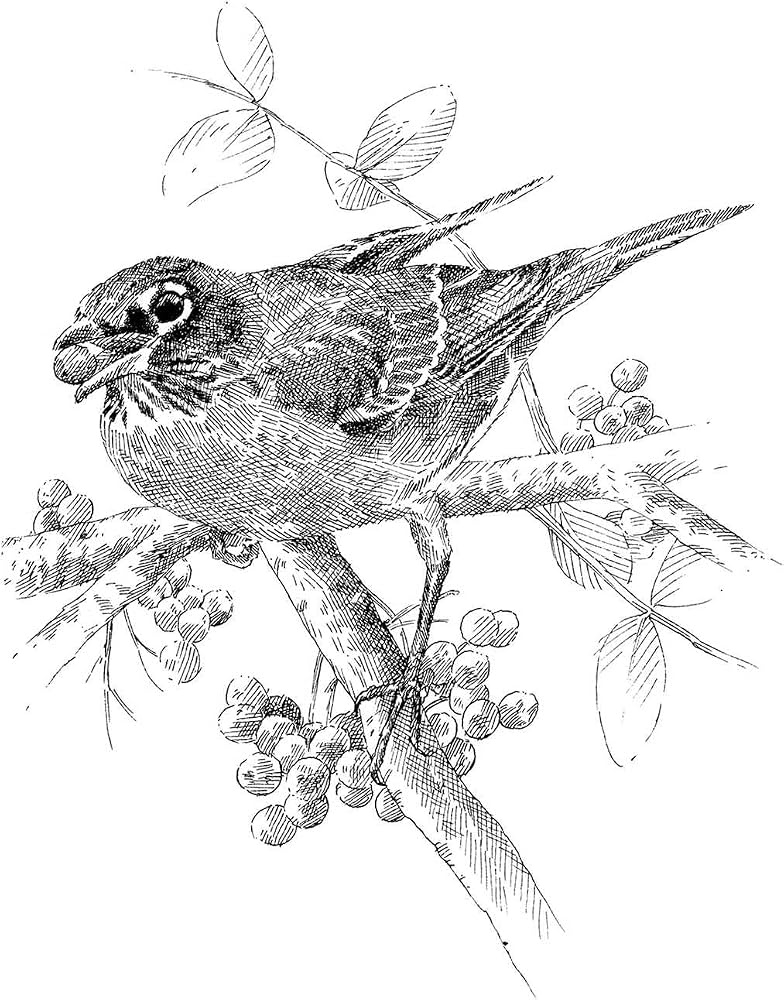
Inspired by Robin Wall Kimmerer’s “The Serviceberry“.
Kimmerer is a botanist and member of the Potawatomi Nation. She invites us to rethink our relationship with money, nature, work, and one-another through the example of the serviceberry tree.
What if we organized more of our lives around reciprocity rather than accumulation? What if wealth meant not just what we own, but what we can share, what we give back, and how well our communities and ecosystems thrive?
Kimmerer’s argument isn’t simply that generosity is good. It’s that the natural world offers a different model of economics: one based on relationships, mutual benefit, gratitude, and the circulation of gifts. This is especially compelling in a capitalist society, where we’re often encouraged to compete for scarce resources, maximize individual gain, and treat nature and ourselves as commodities. The book asks us to imagine and practice a different way of living, without pretending that we can simply opt out of the economic systems we depend on.
This osteopathic offering is rooted in reciprocity and mutual care. Patients can contribute in one of two ways: by paying what feels accessible to them on a sliding scale, or by committing to pass the gift forward through an act of care or service for someone else.

